
Your sales team has developed strong relations with the stakeholder in the buying group. The demos have been successful, and everything looked promising for the sales. Then comes the unexpected point where the sales stall. The influencer has fallen silent, or the decision-maker whom you have not communicated with has become hesitant in the final stages of the process. It wasn’t that the product wasn’t good, but the sales process was based on one thread instead of multiple threads.
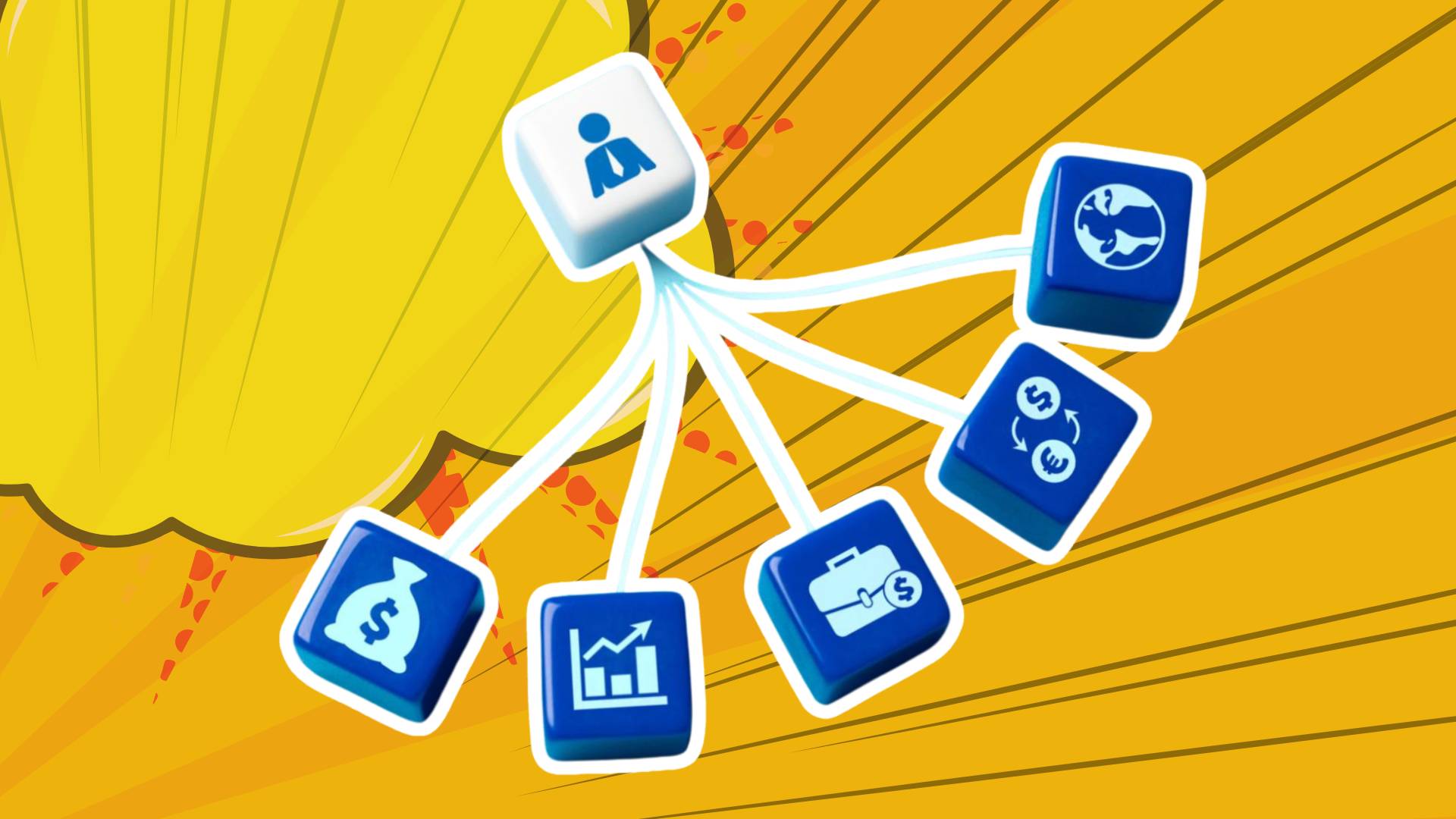
Multi-threaded sales refer to engaging multiple parties within an account at various times and in various capacities within the sales process. Whereas a business leader thinks about outcomes and ROI, IT thinks about integration and security, while procurement ends up caring about cost.
This article describes the importance of multi-threaded sales and its role of groups.
Data in Multi-Threaded Sales Outreach Functions
The following wing are the most basic and important aspects of data that a multi-threaded sales outreach can benefit from.
1. Stakeholders’ Roles to Priorities Alignment
Derived data from other opportunities, calls, and wins/loss analyses have demonstrated the most important thing to each of the roles. This enables sales teams to communicate effectively across threads without getting inconsistent.
For example: In the sale of manufacturing software, the data indicates that operations managers respond to productivity metrics, while CFOs respond to cost optimization. Multi-threaded sales outreach engages several entry points but connects them to one business goal.
2. Timing Outreach Based on Buying Signals
Intent data and engagement analytics enable a sales team to recognize when to initiate various threads in the sales process. This helps avoid sending out communications at random times, thus making any subsequent communication not only relevant but also non-obtrusive.
For instance, when more than one person associated with the same account engages with the content of product comparisons, the sales data marks this group as actively making a purchase, and the sales and leadership team follow up on this accordingly.
3. Coordinating Across Channels and Teams
Data helps prevent multi-threaded sales efforts from breaking into disorganized communication. CRM tools and engagement platforms enable the monitoring of who was reached, by which method, with which message.
For instance, A sales leader can see that the outreach via LinkedIn is engaging IT leaders, and then there are conversations happening through email with finance.
5. Reducing Deal Risk and Improving Forecast Accuracy
In the case of the C-suite, data-driven multi-threaded sales make the company less dependent on key stakeholders. Closing rates improve with a wide range of buying group engagement for a deal.
For example, pipeline data reveals that opportunities involving 3 or more stakeholders are more productive, leading to buying groups being a key leadership goal.
Calculating ROI in Multi-Threaded Sales
Below are the main means of calculating the return of investment of multi-threaded sales.
1. Buying Group Coverage Rate
A strong indicator of ROI is the number of stakeholders identified in an account who are actively engaged.
For instance, a SaaS organization maintains a pipeline for deals which involve a minimum of 4 different roles (Business, IT, Finance, Procurement).
2. Win Rate by Stakeholder Engagement
ROI emerges through analysis of the win rates based on engagement with buying groups. Engaged deals have higher success rates compared to those that lack such engagement.
A HRTech company analyzes win rates and finds that the chances of winning are nearly double in opportunities where three or more stakeholders are involved.
3. Deal Size and Expansion Potential
Multi-threaded sales mean bigger first-line closings, with expansion potential, since value has been understood at all functions.
For instance, a cyber security company involves CISOs, IT operations, and compliance executives earlier. Consequently, contracts include additional modules earlier, which boosts average contract values.
4. Accuracy of Forecasts and Pipeline Health
For the C-level suite of positions, the ability to forecast more accurately is an important return on investment metrics. Multi-threaded sales help to mitigate the risk of stalled transactions and the lack of dependence on one relationship.
Sales leadership recognizes that an opportunity with multi-threaded buying groups will have less opportunity for forecast slippage, thus increasing quarterly performance.
Future Trends in Multi-Threaded Sales Outreach
The following are the key trends that will continue to influence multi-threaded sales outreach efforts in the future
1. Role-Based Messaging
The future of multi-threaded sales messaging will involve dynamically adapting the messaging, based on role, influence, and stage.
Example: Messages are outcome-oriented for business leaders, risk-oriented for the compliance audience, and technical for the IT audience.
2. Direct Engagement Between Executives as a Norm
In the future, sales procedures will institutionalize the engagement of executives much earlier, and this will be in addition to what happens in escalations. Discussions between peers will become a mechanism in multi-threaded sales.
For instance, one company that deals with services has top-level talks early in high-value transactions to align the vision.
3. Revenue Metrics Shift from Activities to Influence
Traditional metrics of activity will be replaced by influence-based metrics which will evaluate the level of engagement of the buying groups.
Sales leaders analyze the buying group’s engagement depth in terms of the number of active roles, the number of interactions, and alignment with different functions.
4. Sales Technology Focus on Orchestration and Not Tools
The future isn’t about more tools; it’s about better coordination. The platforms will enable sales managers to deal with multiple lines efficiently without necessarily increasing complexity.
Example: A CRM analytics extension involving buying group analysis points out the gaps in stakeholder engagement, encouraging reps to initiate the inactive threads in their sales outreach efforts.
Conclusion
As purchasing decisions moved from individuals to buying groups, it is clear that traditional single-thread sales are limiting. What multi-thread sales approaches differently is reflecting actual organizational decision-making. The key, though, to making multi-thread sales successful isn’t about getting in contact with more people. It involves discipline, focus, and a mindset of change that achieves decisions in buying groups. The sales that you make tomorrow are pegged on how many effective threads that you build today.